James L. Brooks is a Hollywood legend, having made multiple critically acclaimed films and won an Oscar for writing, directing, and producing Terms of Endearment, his feature film directorial debut. He also created multiple acclaimed TV shows in the 70s, including Room 22, The Mary Tyler Moore Show, and Taxi. Although he’s made tons of classic shows and movies, his recent stretch of projects have failed to reach the success of his early work, with his 2010 feature How Do You Know being a critical and box office flop, earning $48 million worldwide on a $120 million budget. Ella McCay was meant to be Brooks’ return to form after a 15-year hiatus from filmmaking, including an ensemble of Oscar nominated talent including Jamie Lee Curtis, Albert Brooks, and Woody Harrelson.
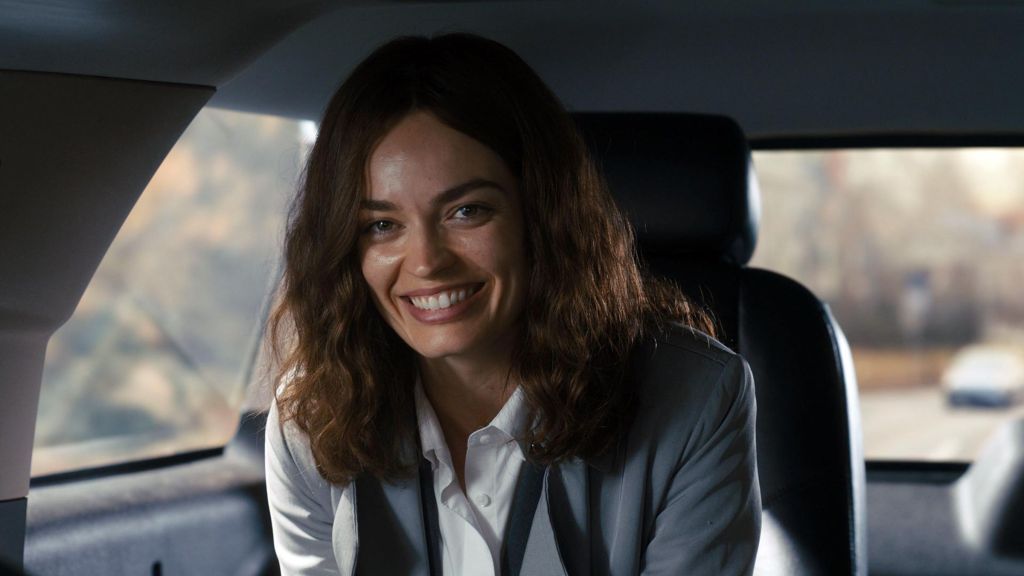
The film follows young politician Ella McCay, played by Emma Mackey, whose dreams of changing the world come true when she is set to become governor of Washington, D.C. Struggling with the pressures of a high authority position as well as having domestic and familial issues, McCay learns the value of her life and how she wants to live it.
Brooks’s old-school filmmaking is on full display in Ella McCay, an ensemble-driven dramedy that lets the writing and actors drive the film rather than the visuals. Many movies in the current era of filmmaking, especially blockbusters, are maximalist, combining numerous genres to satisfy all film fans. This is how the Marvel Cinematic Universe became as popular as it did, as it meshed comedy, sci-fi, and action with the comic book fandom to satisfy the broadest possible audience. Because these types of films are becoming more and more popular, Ella McCay feels refreshing in its approach; focusing on low-stakes character conflicts that makes the film appear light and breezy.
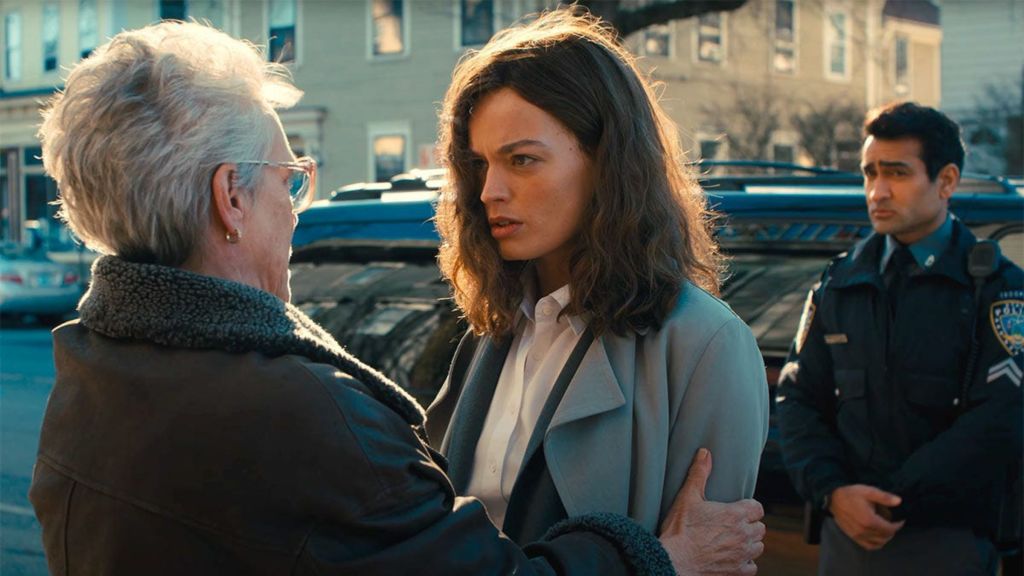
Although the small-scale nature gives the film a unique flavor, it also works against it. The focus on its small-scale story allows the drama to lack urgency, making moments where tension is meant to rise come across as stale. The comedy also works against the film, cutting the drama to a point where it was nearly impossible to take anything seriously. What’s made even worse is that the comedy is extremely poor. Not even the comedic talent of Kumail Nanjiani could save the dry, unoriginal attempts at humor.
The character work is just as infuriating as the film’s attempt at conveying tone. Not only is each character extremely one-note, but they also appear more like caricatures than actual humans. From a selfish, egotistical father to a sympathetic mentor figure, each character comes across more as an idea of someone than as a real human being. Arguably the worst example of the film’s poor character work comes from Casey, Ella’s brother. Casey clearly has some form of mental disorder, but instead of diving into how he became the person he is, the film uses it as a form of comedy. Spike Fearn does a commendable job at playing Casey, but it did not save his character from being anything other than lackluster.
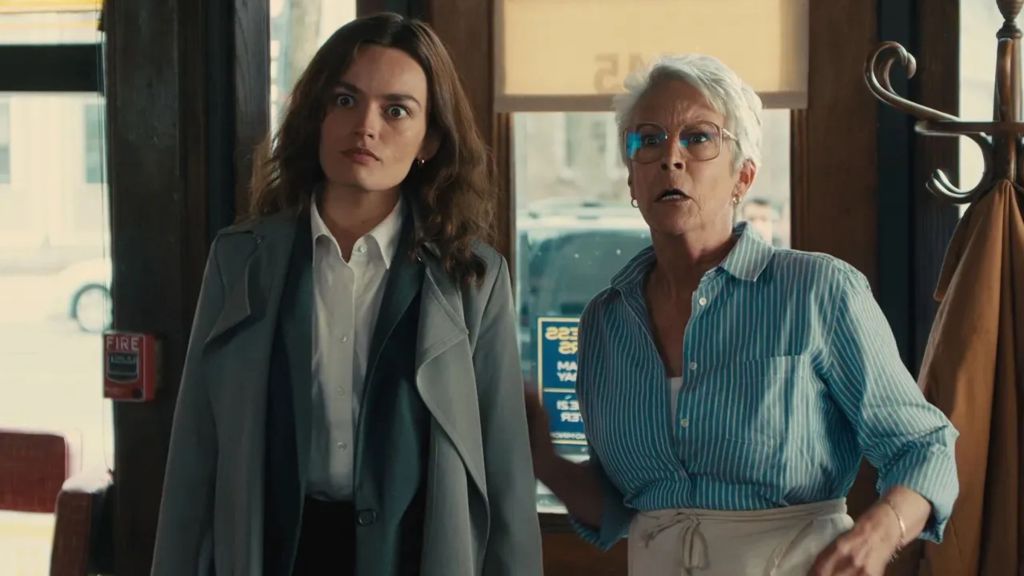
A performance that did make a character stronger, however, was Emma Mackey’s work as the titular Ella. Portraying a woman of high authority, Emma exudes power in every frame with her stoic facial expressions. She finds the perfect balance between a powerful figurehead and a down-to-earth woman, making her a likable and always watchable protagonist. Jamie Lee Curtis also delivers a solid performance as Ella’s aunt, Helen. Helen acts as another mentor figure for Ella, as Ella’s mother passed away at a young age and her father moved away while Ella was still in high school, and Curtis portrays that mentorly warmth in the best possible way.
The screenplay of Ella McCay is weak not only in its character work and tone, but also in its structure. The film plays out like an episode in Ella’s life, and while that can have its charming quirks, it overall lacks emotional beats, character growth, and, wildly enough, a climax. When the film ends, very little progress has been made toward what Ella and the other characters want, making the film seem to have come and gone. While the film’s almost “hangout” style has proven to work in films like Dazed and Confused, when it’s a movie focused on a politician’s rise to power, it needs to have some sort of build-up or climax, and Ella McCay is entirely absent.
It may be easy to look at Ella McCay as a harmless film, but it lacks so many basic elements of filmmaking that it makes for a frustrating experience overall. Despite having compelling performances from the ensemble and a refreshing, old-school style from James L. Brooks, it failed to live up to its potential. If there’s one thing audiences will gain from the film, it’s that James L. Brooks is far past his prime.
Ella McCay is currently in theaters nationwide.
Rating: 4/10
Oscar Prospects:
None


Leave a Reply