
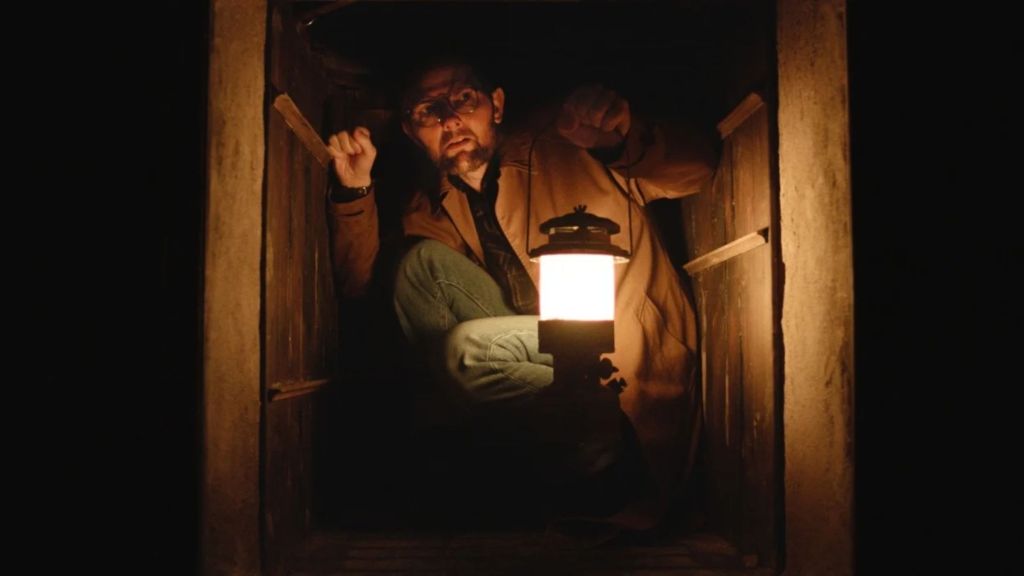
Although it wasn’t his first feature, Damian McCarthy became a filmmaker to watch with his 2024 supernatural horror film, Oddity. Even though the film wasn’t a major box-office success, it was one of the highest-rated horror movies of the year, scoring 96% on Rotten Tomatoes. Delivering numerous moments of atmospheric tension and effective jump scares, McCarthy showed potential as one of the great horror filmmakers of his generation. Less than two years later, he returned to the big screen with Hokum, another supernatural horror film that showcases McCarthy’s strengths as a horror director.
The film follows Ohm Bauman, played by Adam Scott, an accomplished author who travels to Ireland to spread his parents’ ashes. Staying at the hotel where his parents honeymooned, Ohm soon realizes there is a looming supernatural threat haunting the grounds. With hotel workers going missing, Ohm attempts to discover what is happening and how the ghosts connect to his life. Taking place mostly in one location, McCarthy once again uses a confined environment to convey fear in ways most horror films can’t.
Setting up scare sequences has been a tough task for most filmmakers as of late, which is why many modern horror films rely on psychological horror to tap into audiences’ fears. While Hokum has its fair share of psychological moments, the film’s true peaks fall in its jump scares. With slow build-ups and heavy use of shadows, Damian McCarthy wonderfully crafts some of the best jump scares in recent memory. Beyond the stellar technical craftsmanship, what makes these scare sequences so effective is that McCarthy actually delivers images that audiences are meant to be scared of. Often, modern horror movies use false jump scares to convey unease, using loud noises to elicit a reaction from the viewer. Hokum has its loud moments, but every moment of tension is meant to be scary, making for numerous effective sequences. Not since James Wan’s Conjuring films have jump scares been this well-done, and that’s because of McCarthy’s dynamic direction.
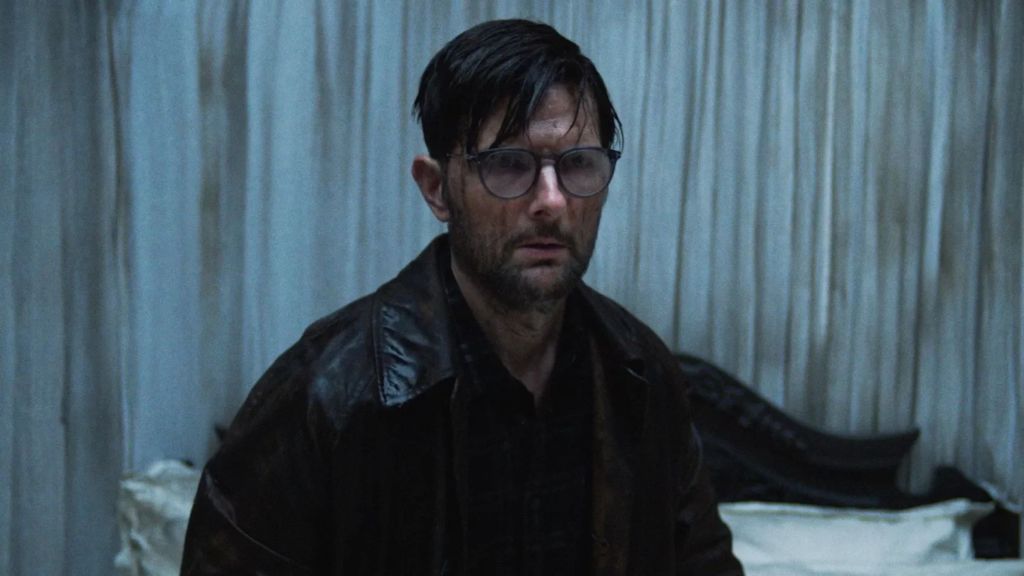
The jump scares wouldn’t work nearly as well if the production weren’t as top-tier as it was. From the dark, but expertly framed cinematography to the lived-in, eerie design of the hotel, Hokum is littered with stellar below-the-line production work. The honeymoon suite particularly stands out as the film’s most haunting set design, due to the lack of lighting and the run-down nature of the room, which perfectly matches Ohm’s fear. Oddity was an excellent example of confined horror done right, but McCarthy’s latest is a step up in production values.
While this is far from Adam Scott’s first horror film, it does see him playing a different type of character. Ohm has Derek Huff’s ego but portrays it in a quiet, more smart-alecky manner, making for a unique interpretation of a famous person. Despite being an unlikable character, Scott’s natural charisma makes Ohm far more enjoyable to watch, sprinkling in humor at the perfect moments. In most horror movies, Ohm would be the obnoxious character the audience hopes to see die, but Scott’s attention to detail and empathy for the character make him the perfect protagonist for the film.
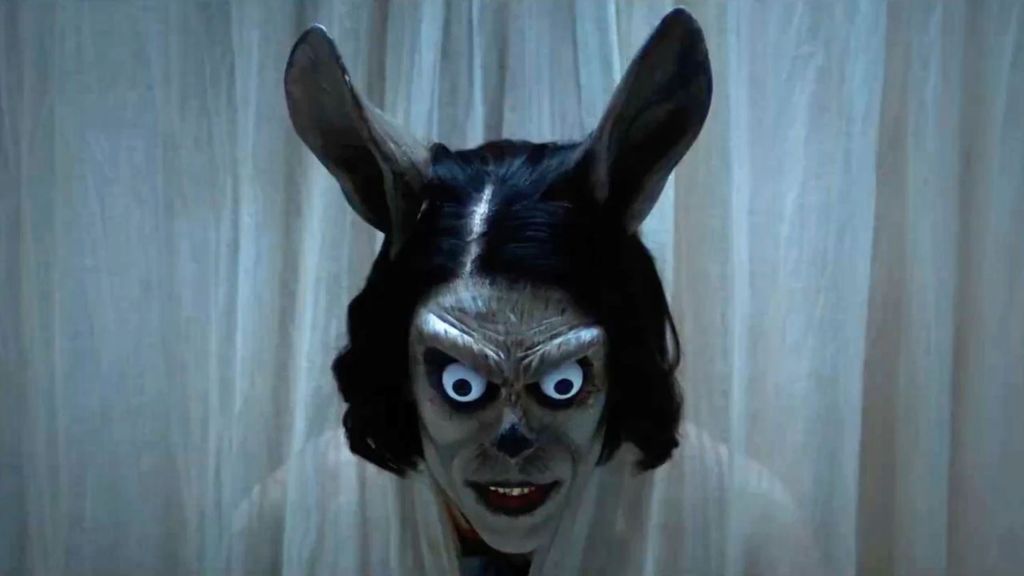
Hokum is not just a nonstop jump-scare fest. It attempts to be a character study of Ohm, delving into grief and the idea of transferring feelings into an art form. While these ideas usually make for a more thought-provoking horror experience, the themes did not reach the emotional levels they were aiming for. Moments of thematic resonance came few and far between, almost as if the film were in a ping-pong match between being a jump-scare horror and psychological horror. Because of this, every moment of emotion fell flat, leaving an ending that lacked the necessary resolution.
Beyond grief, McCarthy delves into Irish folklore through the supernatural. While this offered a unique perspective on the ghost story, it was another aspect of the film that wasn’t nearly as well developed as it could’ve been. What started out as an intriguing mystery became something far more conventional by the end, failing to take any risks in its approach to folklore. The film’s reliance on jump scares also detracts from moments of interest in the folklore, disappointingly reducing them to genre clichés. For a film with such effective scare sequences, it was disheartening to see other aspects of the horror not as well put together.
Hokum may be Damian McCarthy’s messiest film yet, but it still maintains more than enough effective sequences to make it worth a trip to the theater. With a haunting atmosphere and a charming lead performance from Adam Scott, the film does its job by delivering solid horror. Sure, it’s a step down from his last film, but McCarthy still has the juice to create exceptional horror. If he were to take on a Conjuring movie, I wouldn’t be disappointed at the least.
Hokum will be released in theaters nationwide on May 1.
Rating: 6/10
Oscar Prospects:
None.



Leave a comment