
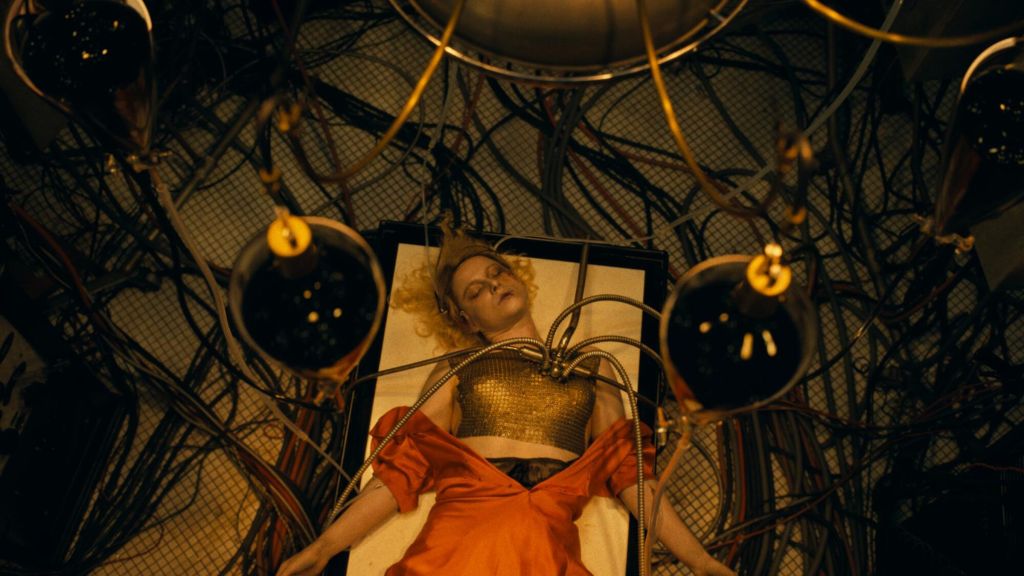
Seeing actors take on the role of directors always raises questions about overall quality. On the one hand, people like Jordan Peele and Clint Eastwood have earned Oscar nominations for their respective efforts, but on the other hand, films like Chris Pine’s Poolman, a critical and commercial flop, stand in opposition. Maggie Gyllenhaal falls under the former, with her debut film, The Lost Daughter, receiving three Oscar nominations, including one for Best Adapted Screenplay, which Gyllenhaal directly received. Because of this, her next feature brought massive anticipation, and when it was announced that she would be making a new rendition of Bride of Frankenstein starring Jessie Buckley and Christian Bale, that anticipation only grew. The film meeting the sky-high expectations was already a tall task, but sadly, The Bride! fell much, much shorter.
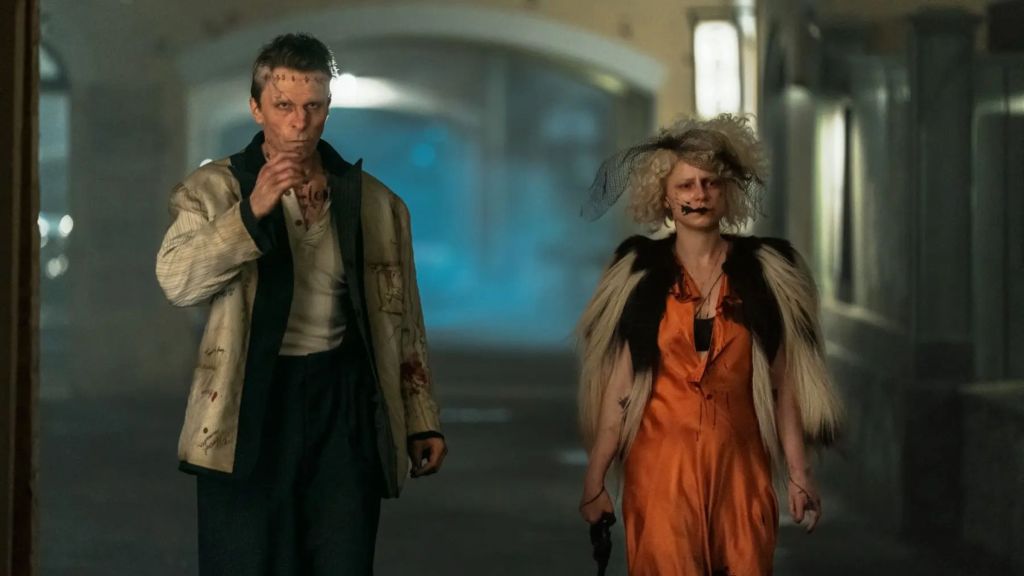
The Bride! follows a similar structure to the 1935 film, with Frankenstein’s monster “Frank”, played by Bale, seeking a companion from Dr. Euphroneus, the mad scientist who created him. After digging up the corpse of Ida, a woman previously associated with the Chicago mob, Dr. Euphroneus brings her back to life successfully, leading Frank and Ida on a murderous adventure of love, passion, and fear.
Much like the original novel, The Bride! is an extremely dense film. While one could interpret the movie as a dark, violent fueled romance, Gyllenhaal litters the film with numerous genres and themes, which work for and against it. Ideas of regaining agency and trauma come across as the strongest, with Jessie Buckley’s powerful performance as Ida the main reason. Ida’s past life, as well as her rebirth, brings a heavy amount of psychological trauma, and Buckley portrays that seamlessly with her loud and bombastic performance. The writing of her character exudes enough empathy for the audience, but her performance only enhances the film, heightening the feminist themes of gaining autonomy.
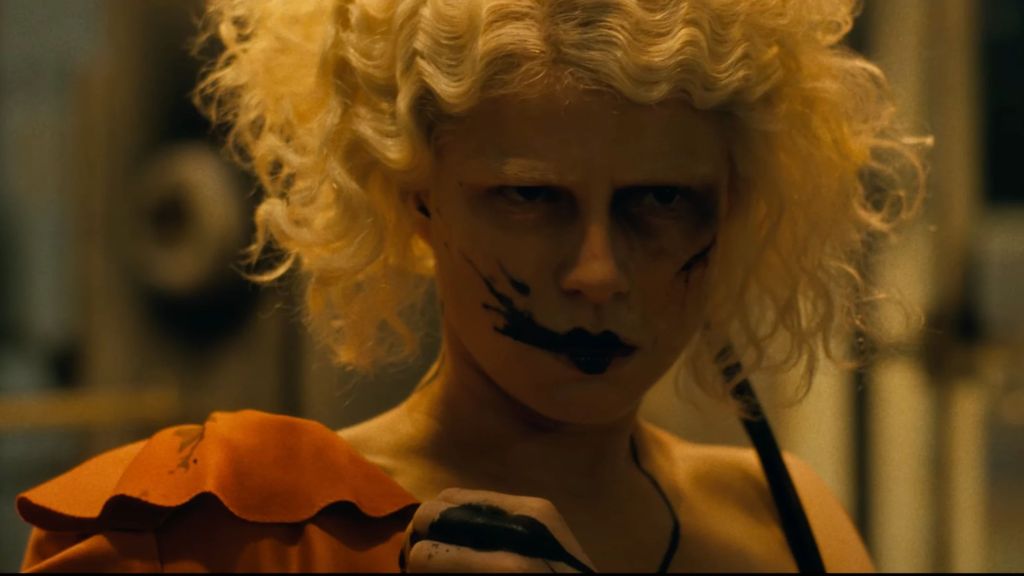
The Bride! also acts as an ode to old Hollywood films. This is evident not only in Frank’s love of movies and the characters’ constant presence at movie theaters, but also in their set pieces. A dance sequence in the middle of the film, in particular, stands as the clearest example of this, with the choreography taking a heavy resemblance to Gene Kelly films. The way the film simultaneously serves as an ode to an older style of filmmaking while still offering a wholly unique experience shows just how strong a creative force Maggie Gyllenhaal is as a writer/director.
While Gyllenhaal’s creative swings has it’s benefits, she throws way too much at the screen. This is especially relevant in the inclusion of Mary Shelley in the film, also portrayed by Jessie Buckley. In the opening of the film, Mary Shelley addresses the audience, stating that this is the story she wanted to tell after working on Frankenstein. For a film attempting to reimagine the original film and Mary Shelley’s novel, including Shelley in the film and saying it is a story she wanted to tell is extremely bizarre. Sure, Shelley was also included in the 1935 film, but because it marketed itself as a new take on the story, her inclusion was more of a detriment to the film.
The film spends a large amount of time with a detective and his secretary, played by Peter Saarsgaard and Penelope Cruz. While this storyline fits the film’s themes, it makes no attempt to make its plot interesting or engaging, playing out like every other detective storyline. It doesn’t help that the audience is aware of the mystery that the detectives are trying to solve, making their inclusion even more grating to the pace and overall runtime. While Saarsgaard and Cruz give solid performances, their characters act as an overall waste of time in the film.
As a romance film, the most important thing to do is build an engaging central relationship, and The Bride! only gets halfway there. Bale and Buckley’s electric chemistry make it easy to engage with their relationship, but their storyline is the antithesis of the film’s overall message. Ida was stripped of her identity by the men in her life, and her attempt to gain autonomy is what ultimately led to her death. She is then brought back to life, but only to serve as Frank’s companion. Frank then uses Ida’s amnesia to his advantage, lying to her about having a past life together. To build an engaging romance, the one thing that a film shouldn’t do is force a bond between two people, and in the case of The Bride!, it does just that. For a film that beats the audience over the head with feminist themes, this storyline comes across as extremely problematic, and it’s even more so in the film’s ending.
The Bride! has tons of commendable aspects that showcase Gyllenhaal’s vast creativity as a filmmaker, but its jumbled, overstuffed screenplay made for a disappointing, lackluster experience overall. Despite two stellar lead performances, the film fails to create a compelling enough narrative. Seeing filmmakers take massive swings in big-budget projects is always appreciated, but this is one of the rarer occasions where the swing turns into a major miss.
The Bride! is now playing in theaters nationwide.
Rating: 5/10
Oscar Prospects:
Best Make-Up/Hairstyling



Leave a Reply