

Paul Thomas Anderson has sprinkled themes of love and anxiety throughout his films. From subtle, yet nuanced depictions in Phantom Thread to loud and boisterous inclusions in films like Punch-Drunk Love, Anderson seems to have a deep desire for the idea of human connection. This carries over in his newest film, One Battle After Another, which finds Leonardo DiCaprio fighting an army of white supremacists in order to build a sustainable life for his daughter.
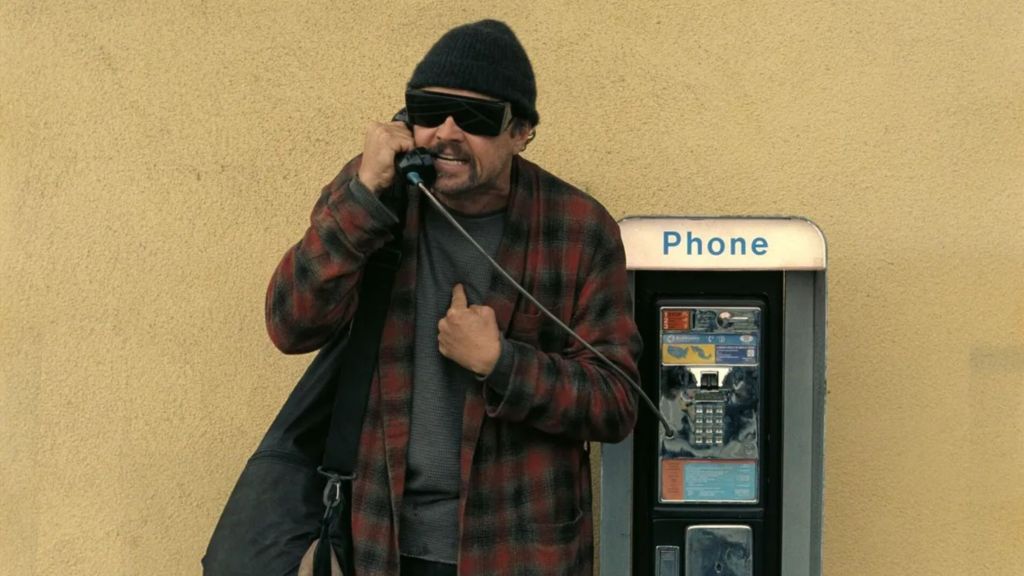
Leonardo DiCaprio plays Bob Ferguson, an ex-member of the French 75 whose life turns upside down once an enemy from his past haunts him and his daughter, played by Chase Infiniti, for his past wrongs. Although he used to be a tough mercenary, he has since turned to drugs and alcohol as a means to stay sane and content with his life. Throughout the movie, he gradually begins to understand the extent of his life’s mistakes, with his anxieties as a father taking over him. Although he initially finds his time with the French 75 as rewarding, as he discovers that he is fighting for the right reasons, he instead suffers the consequences of being a bad activist. DiCaprio perfectly mixes the characteristics of “The Dude” and Rick Dalton into one fully fleshed-out and original character. Allowing the audience to laugh at his frustration with various situations, while also evoking a deep sadness in his state of loss, makes for a character who is easy to root for and connect with.
As a father himself, Anderson clearly has a deep connection to Bob, stating how the previous generations have failed and how the next generation is forced to fight the battles they started. This is also seen through Deandra, played by Regina Hall. Despite a lack of dialogue, Hall beautifully captures warmth and heartbreak, attempting to be a person who provides a strong foundation for the generation after her, but instead finds herself failing time and time again. Whether it’s a bank robbery gone wrong or a failed attempt at keeping a child away from white supremacists, Hall captures the character in a way that the audience feels sorry for her. Perfidia Beverly Hills, played by Teyona Taylor, is another depiction of the failures of the past leaders. Strictly driven by power, Perfidia unashamedly ruins the French 75’s plans on multiple occasions, but eventually finds catharsis in her actions later in the film. Taylor captures the selfish and ferocious character in a way that the audience can’t take their eyes off her. She portrays a born leader with such strength and passion for the character. Even though her character appears briefly on screen, Taylor makes a significant impact on the film and its overall message.
Willa Ferguson, played by Infiniti, is thrust into a situation opposite to that of her father. Instead of having the choice to live the normal life of a 16-year-old girl, she is forced to a sheltered one where she is constantly in danger for her life. Unable to have a connection with her family outside of her always intoxicated father or have the luxuries of a 21st-century smartphone, Willa makes for the most empathetic character in the entire movie. For a feature film debut, Infiniti has the ferociousness of actors with decade-spanning careers, channeling her anger at the world in a way that makes for an intimidating on-screen presence. Her journey of discovering her past is a heartbreaking experience. Infiniti’s growing disdain for the world is expertly inherited through her physical and emotional presence. Not many actors can convey the range of emotions that Infiniti’s character experiences, but the fact that she was able to accomplish it shows how bright her future as an actress will be.
A film that follows around a bumbling idiot attempting to rescue his daughter is in need of a villain who matches the comedic nature of the protagonist, and it could not have turned out better with Colonel Steven Lockjaw, played by Sean Penn. From the perfect posture to his deep voice, Penn delivers an excellent satirical performance as a crazed white supremacist out to kill Bob and his daughter. He captures the cold-blooded nature of his character to its peak, somehow managing to make the character feel threatening and hilarious at the same time. One would usually expect a two-time Oscar winner to put on a great performance, but to see Penn put on one of the best performances in his impressive 40-year acting career speaks volumes to how great his work is in the film.
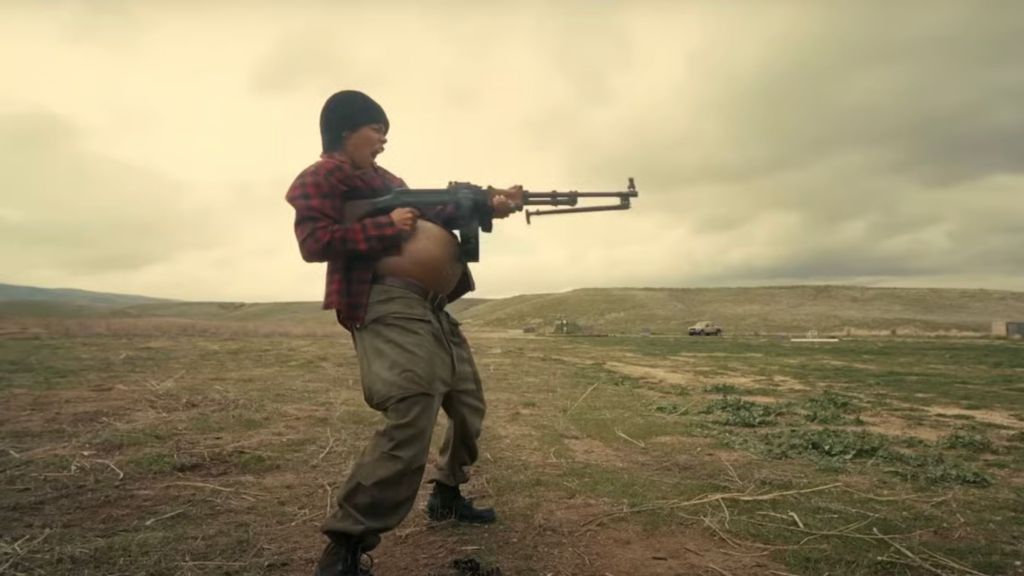
One Battle After Another is not only the biggest film in Paul Thomas Anderson’s career in terms of budget and box office gross, but also in terms of the filmmaking and themes on display. With its stunning Vistavision 35mm cinematography by Michael Bauman and intense, ticking-clock piano ballads by Jonny Greenwood, the film effectively utilizes its massive-scale filmmaking to draw the audience’s attention to the world’s current climate. The film utilizes the action-thriller genre to illustrate how society is constantly driven by the pursuit of power. Whether it’s people who agree on the same policies, like Colonel Lockjaw with the Christmas Adventurers Club, or opposing parties, like the French 75 versus the military, the film expresses how our modern-day selves have failed and how it will negatively impact future generations.
Although much of One Battle After Another finds the characters grappling with their failures, the film ends on a surprisingly hopeful note. Instead of leaving the audience with a sense of hopelessness and dread, the film inspires the viewer to fight against their oppressors, showing that the battle is never over. The title not only speaks to how life is an ongoing experience of hardships, but also how humanity should not have its hardships define it. This is particularly evident in Willa, with her determination to do the right thing striking an empathetic chord that is easily relatable. Making a film that feels urgent and timely in a satisfying manner is difficult, but One Battle After Another strikes the perfect balance of highlighting the issue and what the solution entails.
One Battle After Another not only stands as one of the standout films of 2025, but one of the best American epics of the 21st century. With an astounding ensemble and its urgent message on society’s need to fight against oppression, the film carries universal themes that perfectly define Anderson’s current state as a filmmaker as well as what he wants to pass to the next generation. The film may view life as one battle after another, but Anderson makes it clear that the battle is worth fighting for.
Rating: 10/10
Oscar Prospects:
Best Picture, Best Director, Best Adapted Screenplay, Best Actor, Best Actor in a Supporting Role, Best Actress in a Supporting Role, Best Cinematography, Best Editing, Best Original Score, Best Production Design, Best Hair/Make-Up, Best Sound, Best Casting


 Reel Recommendation
Leave a reply to Kiss of the Spider Woman Review – Reel Recommendation Cancel reply