
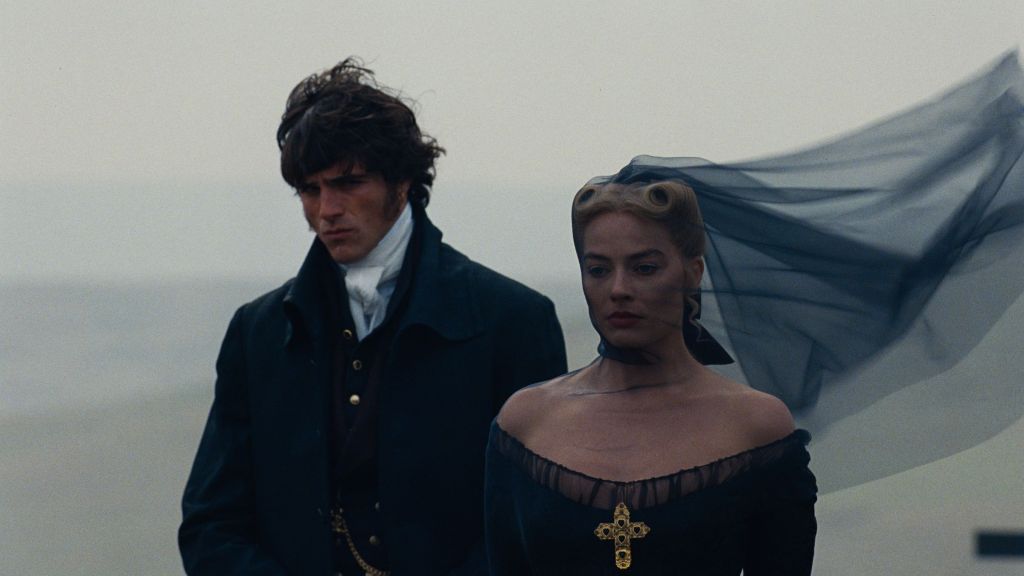
In most cases, winning an Oscar does nothing but boost someone’s career, putting them in a spotlight where the world recognizes their brilliance in filmmaking. In Emerald Fennell’s case, it has done the opposite, sparking online debates about her caliber as a filmmaker. These discussions carried over heavily into her 2023 film Saltburn and even more so into her newest film “Wuthering Heights”, a new take on the 179-year-old classic novel by Emily Brontë. While there are aspects of her Oscar-winning filmmaking style that shine through, her “controversial” tendencies are equally evident.
The film is a decade-spanning journey following the rocky relationship between Catherine Earnshaw and Heathcliff, played by Margot Robbie and Jacob Elordi. After Catherine’s father rescues Heathcliff from the streets, Catherine and Heathcliff immediately become infatuated with one another. Catherine is drawn to Heathcliff’s submissive nature, while he finds comfort in Catherine’s efforts to create a loving home for him. Despite the two’s clear love for one another, their class status and external desires prevent them from being the couple they want to be, leading them on a dark journey of madness and desire.
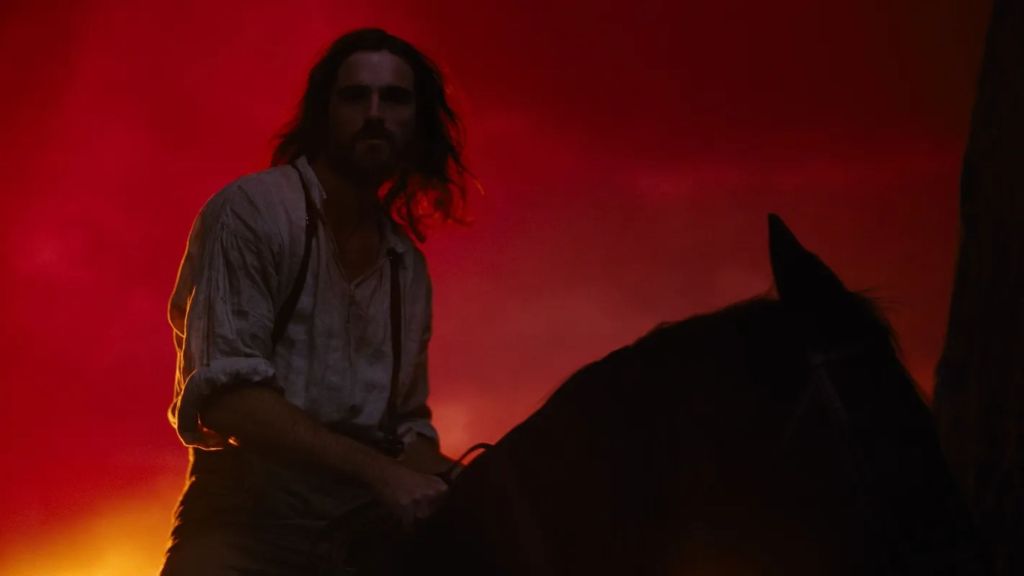
Saltburn was a major step-up for Emerald Fennell in terms of production value and visual style, and “Wuthering Heights” continues that trajectory. Littered with practical sets and natural environments, the film expertly conveys the Yorkshire Moors and the beauties and horrors of living there. Incredibly shot by Linus Sandgren, the camera uses a variety of close-ups and wide shots to capture the intimacy of Heathcliff and Catherine’s relationship and the grand scale of the storytelling. Fennell uses color with great effectiveness, employing grey clouds to emphasize the characters’ deep sadness and a harsh red sunset to represent a character’s anger. Even in scenes where characters stand in silence, the visuals always deliver something to engage with.
Margot Robbie and Jacob Elordi are arguably two of the biggest movie stars in their age range, and they prove so again in “Wuthering Heights”. Despite playing characters who constantly make irrational decisions, their attentiveness in every scene makes it easy to care about where they end up. Elordi, in particular, is incredibly effective at conveying subtle pain as he sees Catherine distance herself from him, and watching his pain build throughout the film was strangely delightful despite the film’s dark material. Robbie beautifully contrasts Elordi’s reserved nature with her portrayal of an ecstatic, spontaneous woman seeking a better life for Heathcliff and her family. The film asks a lot of the two actors, both physically and psychologically, and Robbie and Elordi excel in every aspect.
The first two-thirds of the film build an excellent story of Catherine and Heathcliff, unable to look beyond their class and identity struggles to become a couple, creating numerous scenes of mental and sexual tension. What starts out as intriguing turns into something far more sinister in the film’s latter moments, becoming a tale of obsession that strips the characters of all empathy. Heathcliff and Catherine make poor decisions throughout the film, but the final 30 minutes put the nail in the coffin for their likability. Because the two cannot figure out a way to become one, they set out on a physical and emotional journey of abuse to all the other characters in the film. While the film makes it clear that their estranged love caused them to be this way, it went much too far in its portrayal, leaving an ending with zero emotional impact. Despite a well-edited montage that reiterates the characters’ emotional journey, their bizarre decisions in the third act make it impossible to resonate with what’s on screen.
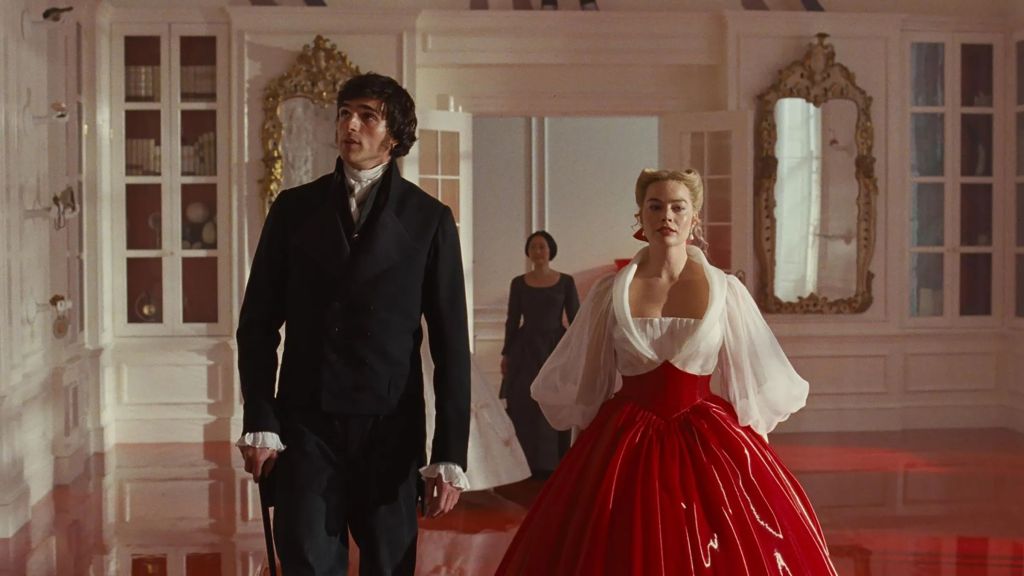
The film’s grand approach to storytelling makes one believe it’s telling a nuanced story, but the screenplay surprisingly lacks depth in its themes and main takeaways. Although the film attempts to tell a complex story, the ending states that the movie was solely about love and the strange ways it drives people’s lives, which is what nearly every romance movie dissects. Being based on highly acclaimed source material and written by an Oscar-winning writer, one would expect the project to leave at least one thing to chew on once the credits roll, but sadly, the film is almost entirely devoid of it.
“Wuthering Heights” sees the best and worst of Emerald Fennell’s tendencies. While her grand, in-your-face visual storytelling works wonders for the film’s look, it did the exact opposite for the screenplay, leaving the overall experience frustrating. Fennell clearly has a talent for filmmaking, but her recent work failed to live up to her earlier projects. Although online discourse is normally toxic, some of the criticism is sadly justified in this case. Far from the worst that film has to offer this year, but it had the potential to be much better than it was.
“Wuthering Heights” is now playing in theaters nationwide.
Rating: 5/10
Oscar Prospects:
None
 Reel Recommendation
Leave a comment