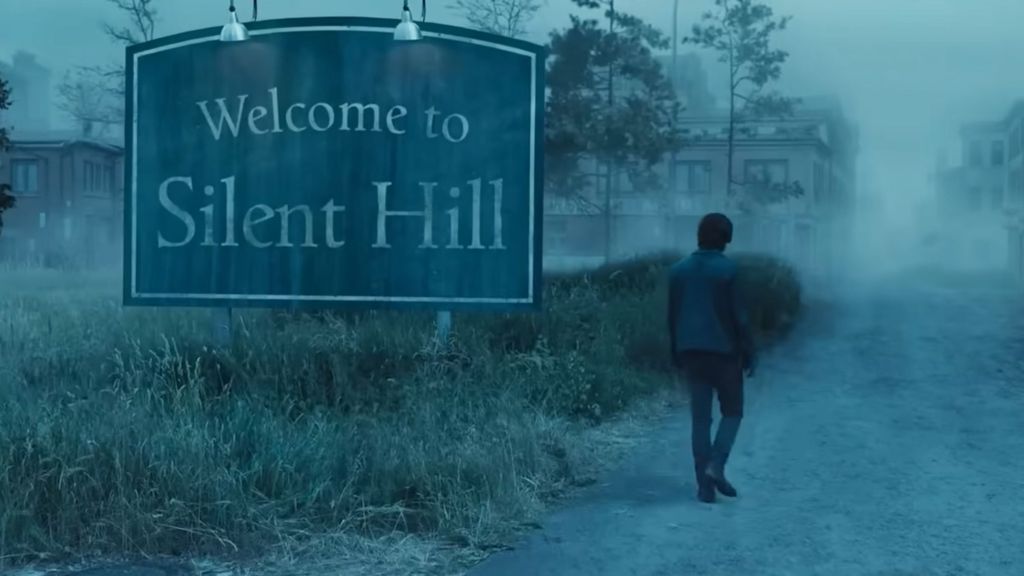
The Silent Hill franchise is one I am entirely unfamiliar with, both in the films and the video game series. With both films receiving negative reception from critics, it was destined that another studio would attempt to revitalize the franchise. Weirdly enough, they decided to bring back the director of the 2006 film, Christophe Gans, to make Return to Silent Hill, and, knowing this, the film turned out exactly as one would expect.
The film follows James Sunderland, played by Jeremy Irvine, a depressed artist who returns to his old hometown of Silent Hill after receiving a strange letter from his ex-girlfriend, Mary. Upon his arrival, he discovered that the town had changed dramatically, drowning in darkness and run by monsters. Despite this, James is determined to find his lost love and, in the process, rediscover himself.
The basic premise of Return to Silent Hill has its positives, as it follows a man dealing with the grief of losing a loved one. The horror sequences act as the physical embodiment of his grief and how it has taken over his life entirely. Spliced into the tension are flashbacks of his relationship with Mary, allowing the audience to understand James as the film progresses. In any other case, this premise would spark moments of compelling, emotionally nuanced storytelling, but the filmmaking deters empathy, leaving the audience with an empty experience altogether.
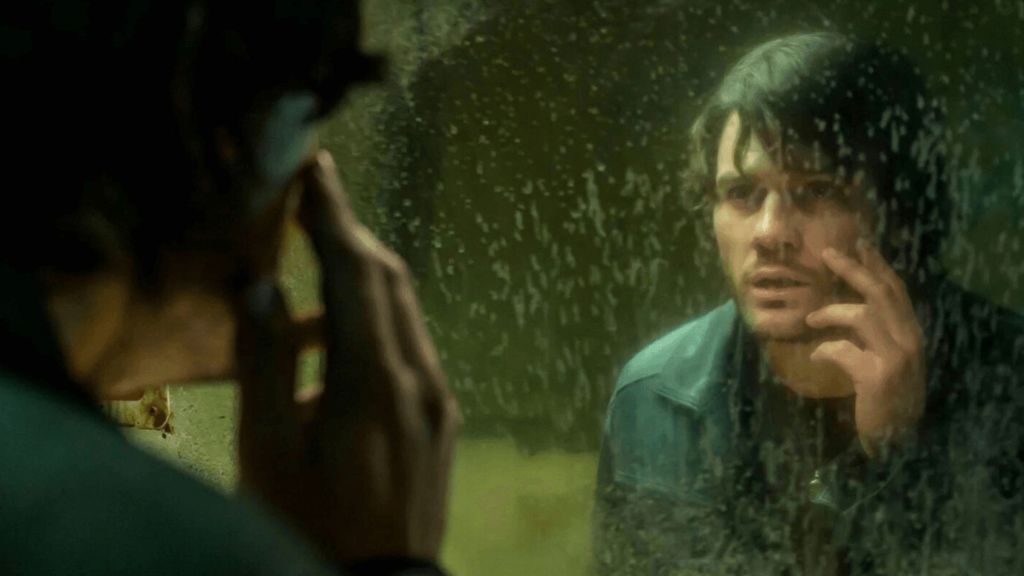
The crux of the film relies on James’ guilt for leaving Mary, but once the film reveals why James left, the audience is left to feel no shame for James’ decision. Mary led an extremely bizarre and off-putting life, and once James discovered this, it was easy to understand why he decided to break up with her. This aspect of the film made it incredibly difficult to empathize with James’ torment, as being with Mary would have arguably led him down a darker path than he was on. Perhaps the most important aspect of storytelling is prescribing a story where the audience understands why the protagonist is on their journey, and the fact that Return to Silent Hill can’t even do that says a lot about the overall quality.
The film has a surrealist quality to it that emphasizes James’ dark, internal feelings. While this has worked in many past horror films, the surrealist elements come across as more confounding than profound. The inclusion of the therapist is the central point of this, aiming to bridge the gap between the real and the surreal, but it only makes the film even more perplexing. This is also evident in the film’s ending, which introduces a time-travel element that makes no sense given the rest of the world established earlier. Although the thematic purpose is conveyed through James’s narration, the ending fails to make an impact and only adds to the film’s confusing nature.
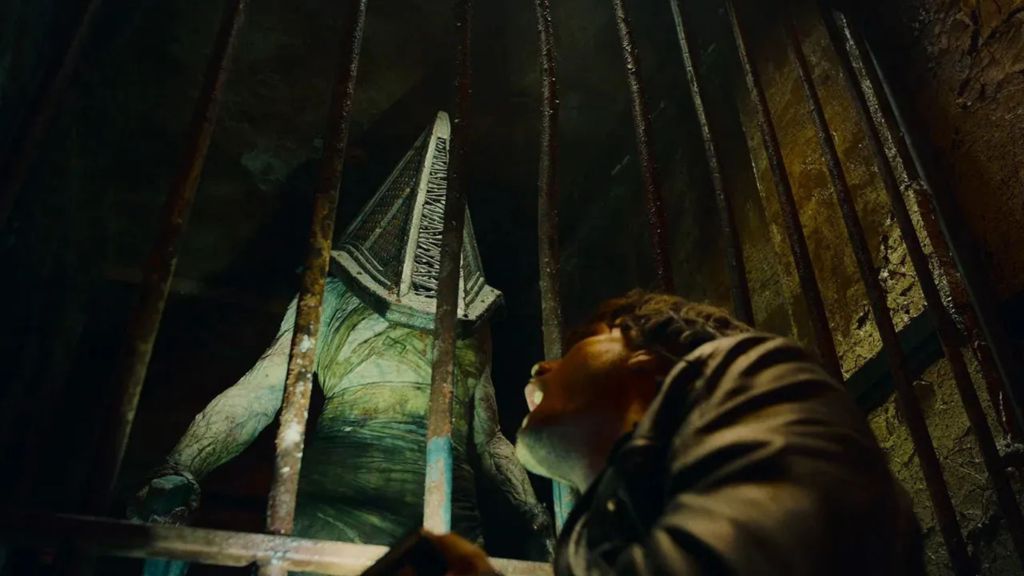
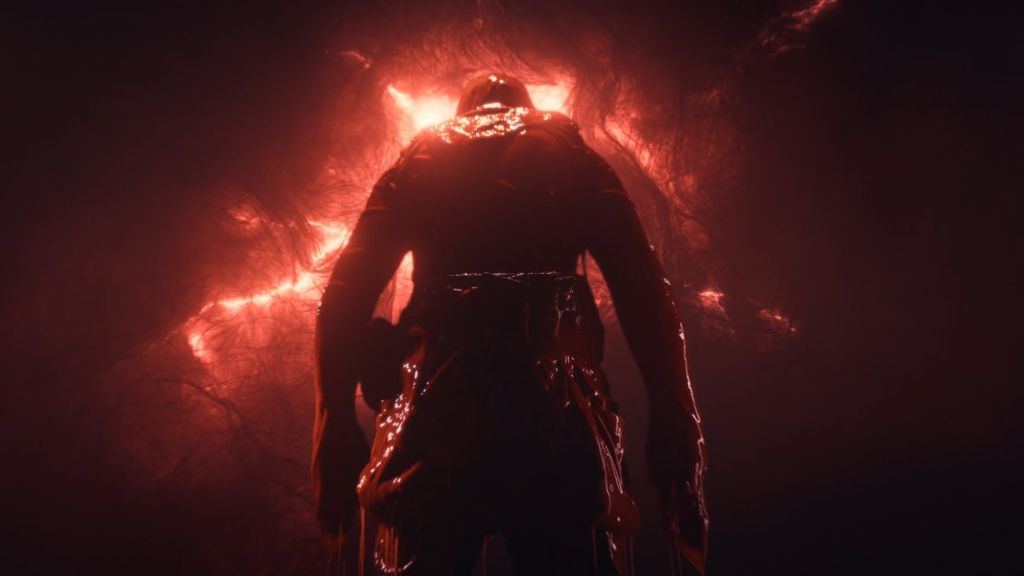
All could be forgiven for Return to Silent Hill‘s baffling screenplay if the scare sequences had captured tension, but sadly, they didn’t. While the creature design and select images could evoke fear under the right circumstances, the editing ruins all moments where fear could be present. Sound effects are bizarrely placed, breaking any moment of potential horror. The creatures are also poorly used in the editing, with the film never letting shots of them linger to build suspense. Worst of all, the threat of death and carnage is at a minimum. The film acts as a haunted-house horror, hoping to scare audiences for a brief moment but never evoking a sense of a looming threat. It didn’t help that the kill count was extremely low for a horror film, which gave the impression that James was never in any real danger. Horror movies, especially recently, have found creative ways to get under the audience’s skin, but this film couldn’t even scare at a basic level.
The Silent Hill games are known for their sharp visual style, and while this film maintains some of its qualities, it fails to live up to its potential. The foggy aesthetic and use of dark colors create a mood for the film, but it doesn’t go any deeper. In a movie about someone’s psyche eating away at them, the visuals and production design should act as a character in itself, but instead, they serve solely as a backdrop. The visuals would best be compared to a painting; something that you can take a lot from at a standstill, but for a movie, they should operate at a much higher caliber.
After enough searching, one could find a good movie within Return to Silent Hill, but its lackluster filmmaking and tension made it an overall failure. With one of the least empathetic screenplays in a horror movie and jarring editing choices, this was a tough watch. Sitting through a dull movie from start to finish is difficult enough, but seeing wasted potential from scene to scene made for an aggravating experience overall. As someone whose introduction to the Silent Hill franchise was the 2026 film, it did nothing to convince me to commit my time to anything else in this universe.
Return to Silent Hill is now playing in theaters nationwide.
Rating: 2/10
Oscar Prospects:
None
 Reel Recommendation
Leave a comment