
28 Years Later revived the franchise with its experimental, groundbreaking filmmaking style, featuring iPhone cinematography that gave the film a crisp look while maintaining the franchise’s distinct, grainy images. With the ending setting up an entirely different tone for future installments, lots of questions were raised about how the next film in the series would turn out. 28 Years Later: The Bone Temple, less than a year later, comes to put all worries aside by delivering another emotionally charged, thematically rich film in the franchise.
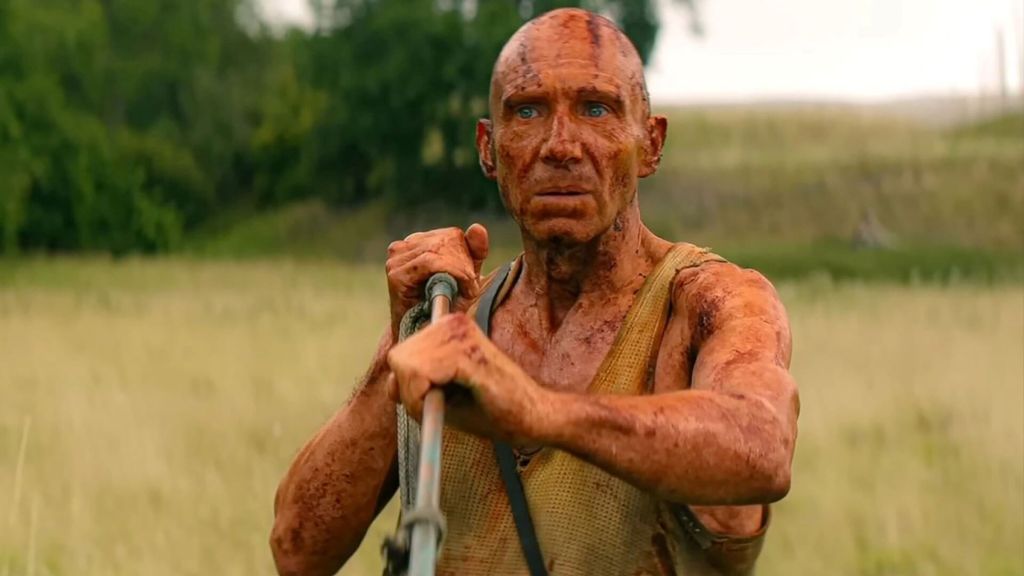
The film once again follows Spike, played by Alfie Williams, who is taken in by the Fingers gang after being saved from a zombie attack. His time away from his family was meant to be a better experience for Spike, but his time with the Fingers game put him in more danger than ever. The movie also focuses heavily on Dr. Ian Kelson, played by Ralph Fiennes, who mistakenly befriends an Alpha zombie while caring for the Bone Temple.
28 Years Later explored themes of death in a far more nuanced way than most horror movies, especially by blending elements of a coming-of-age story. 28 Years Later: The Bone Temple once again attempts to delve into these ideas, but does so in a far different way than its predecessor. Although there are a slew of horrific sequences, some of the most violent in the franchise, the film is much more melancholic, slowly revealing little details about the characters that make for a far more enriching experience than its predecessor. While 28 Years Later is an excellent example of experimental filmmaking, 28 Years Later: The Bone Temple is a more focused and narratively rich entry into the franchise.
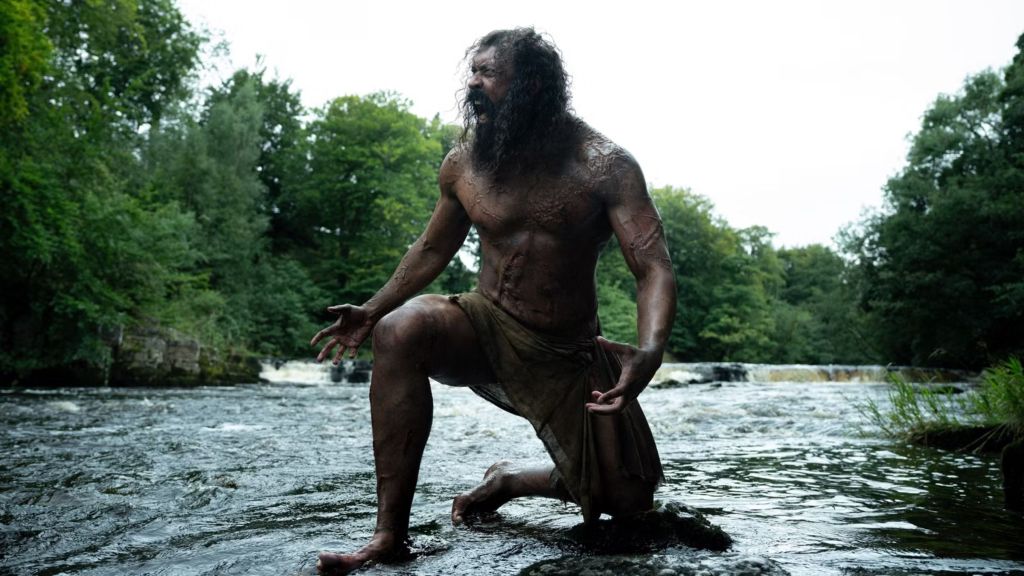
One of the ways the movie delves into ideas of death is through religion. Much like Wake Up Dead Man, the film dissects the dichotomy of religion and how it can be used to brainwash people, as well as how it can find peace through suffering. As the series takes place during a zombie outbreak, each character has their own way of dealing with the trauma, with some clinging to religion to find life’s answers. This makes for the perfect central thesis of the film, with the protagonist and antagonist’s differing views on this idea making for an always compelling watch.
Dr. Kelson’s pursuit of happiness and a cure through befriending zombies and passion for music make for one of the most captivating protagonists in recent horror films, made all the more strong by Ralph Fiennes’ incredible performance. Although his character is much quieter than the rest of the ensemble, especially compared to the antagonists, he evokes sympathy in every scene, finding beauty in the mundane no matter the circumstances. His pursuit of satisfaction leads him into a variety of circumstances, culminating in a third-act sequence featuring an Iron Maiden needle drop that will easily stand as one of the franchise’s most iconic moments. There are many incredible performances in the 28 Days Later franchise, but Fiennes’ work is easily one of the best.
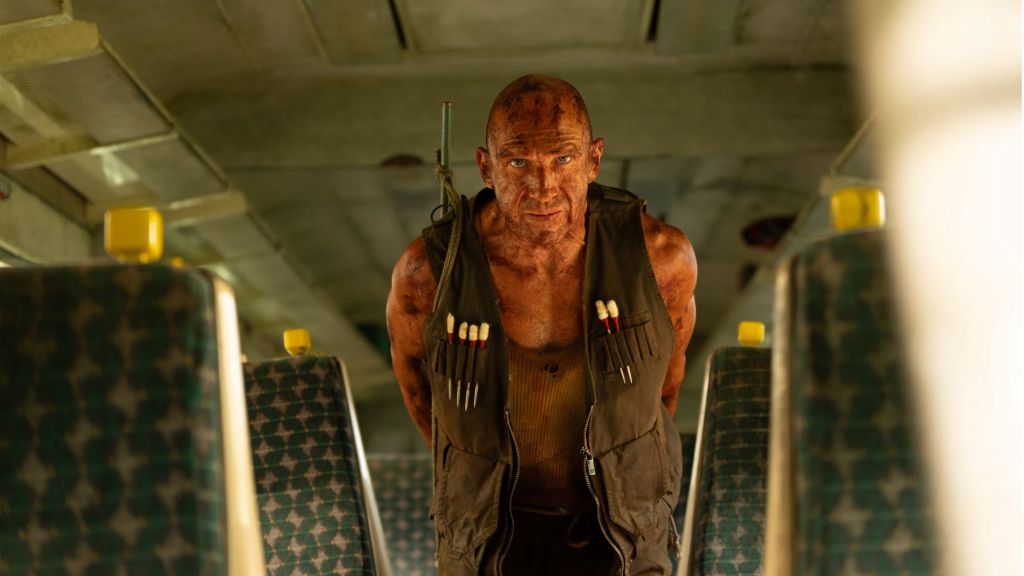
Opposing Fiennes is Jack O’Connell, who plays the leader of the Fingers gang, Jimmy. O’Connell’s character can be easily compared to his character in Sinners, brainwashed by past trauma and using his power to gain people’s support. His methods are terrifying, skinning people alive and torturing them for no apparent reason, making for arguably scarier moments than most of the zombie attacks in the franchise thus far. Although he commits incredibly vile acts against innocents, the film does a good job of helping the audience understand his viewpoints. While you don’t necessarily support Jimmy’s actions, the movie offers an excellent understanding of what made him who he is, with O’Connell channeling the character’s complexity to perfection.
Alfie Williams was a major standout in 28 Years Later, but sadly, his arc is sidelined in favor of Jimmy and Dr. Kelson. While there are elements of his development regarding his discovery of humanity’s evils, it was a surface-level depiction compared to the arcs of the other protagonists in the film. After being such a significant figure in the previous installment, it was disappointing that his character wasn’t given as big a role in the sequel.
Despite this, nearly every other element of 28 Years Later is done to perfection. Director Nia DaCosta perfectly carries over ideas from the previous film while bringing her own distinct voice to the project. With its violent, yet memorable imagery and its resonant ideas on humanity and religion, the film bridges the gap between horror and drama in an extremely satisfying way. If the next film is equally as good as the latest installments, conversations need to be had about whether the 28 Days Later franchise is one of the greatest horror franchises of all time, because at this rate, it is getting dangerously close to topping that list.
28 Years Later: The Bone Temple is now playing in theaters nationwide.
Rating: 8/10
Oscar Prospects:
None.

 Reel Recommendation
Leave a comment