The Predator franchise seemed dead after the critical failure of 2018’s The Predator, but Dan Trachtenberg single-handedly revived the beloved series with his direct-to-streaming hit Prey. The film became the biggest premiere ever for a Hulu original project, including both films and television shows. Because the film was so popular and Predator: Killer of Killers was successful, audiences eagerly awaited Predator’s return to theaters. Luckily for them, their wishes came true.
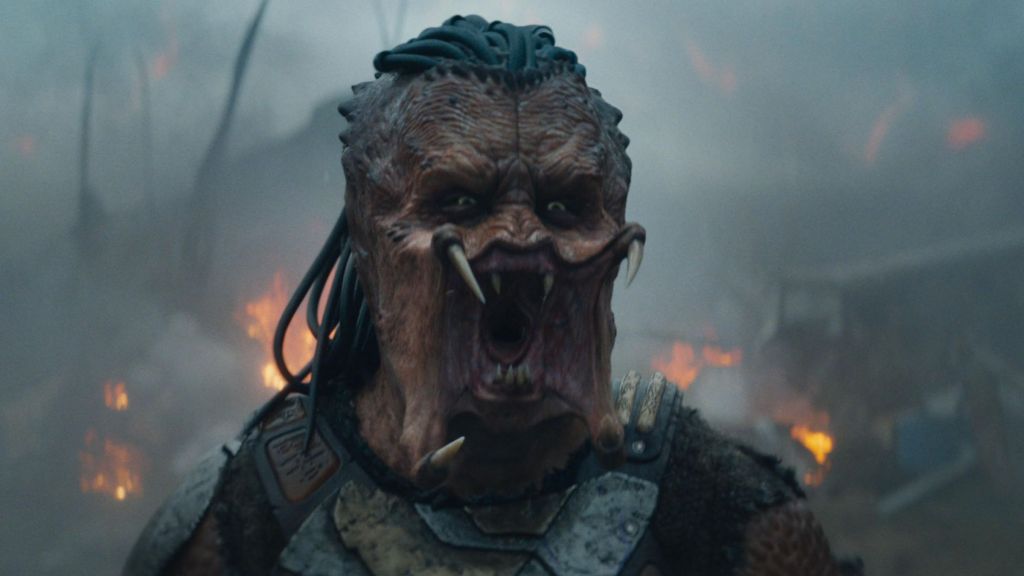
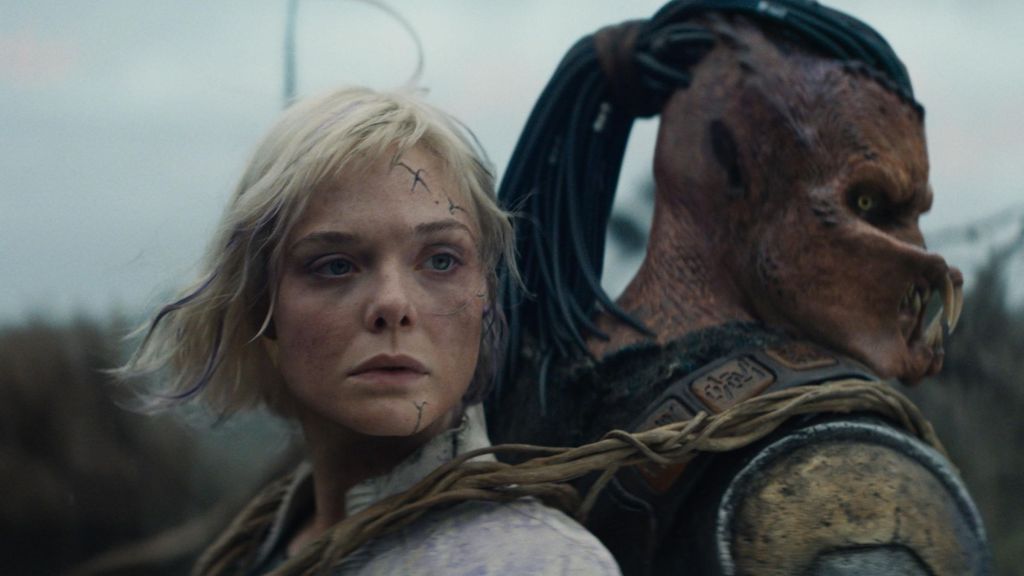
Predator: Badlands is not a continuation of Prey nor Predator: Killer of Killers, but takes place in the same universe as the previous films in the franchise. Once again written and directed by Dan Trachtenberg, the film follows Dek, a young Predator eager to prove his worthiness as a hunter and to earn his father’s approval. After being banished from his home planet, he forms an unlikely bond with a synthetic droid, Thia, in order to hunt down a Kalisk, an unkillable monster. By killing a Kalisk, he hopes to gain respect back from his people and prove that he is a worthy predator.
Predator: Badlands is the most expensive Predator movie to date, with an estimated budget of $105 million. This budget is felt throughout the film, conveyed through its large-scale cinematography, extensive use of visual effects, and massive sets. Shooting on real locations did wonders for the film, allowing the actors to interact with the sets in a more organic, nuanced way. The environment is expansive, with the characters running through the sets in a way that feels elaborate and lived in. With most major blockbusters using green screens or the Volume to display otherworldly set designs, Predator: Badlands goes back to basics in an extremely satisfying manner.
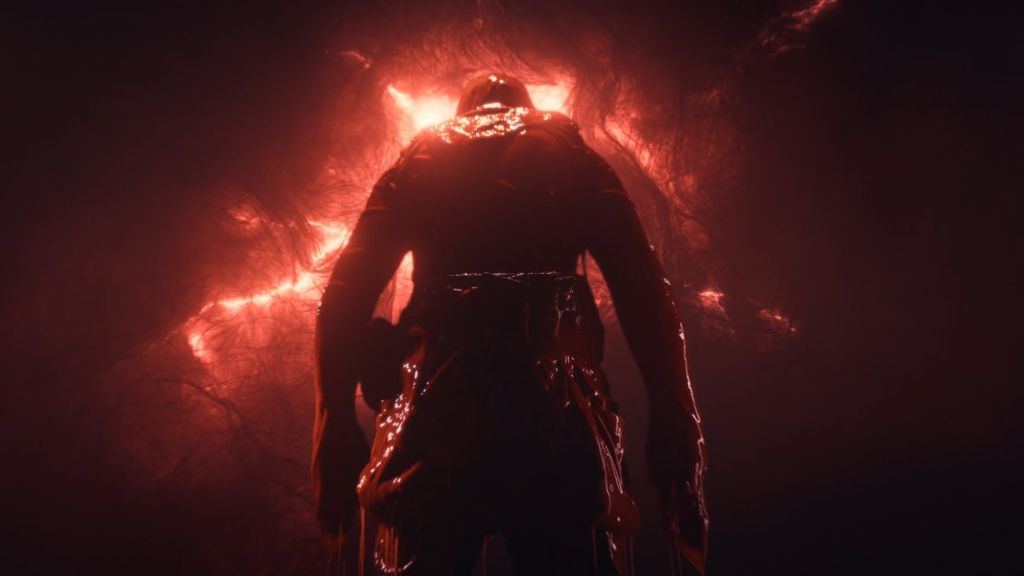
The PG-13 rating initially raised concerns, but the film contains a similar amount of violence and gore to the rest of the franchise. Although the film lacks human blood, there is plenty of synthetic and monster gore to satisfy fans of hyperviolent action sequences. The action itself is much more fluid than in the other films in the Predator franchise, with tons of dynamic camera movements that make the audience feel as much in danger as the rest of the cast. The action has a Jason Bourne quality, filmed mostly with medium and close-up shots that give the sequences an intimacy. A rescue scene stands as the film’s strongest action sequence, filled with creative kills that use the alien planet in invigorating and subversive ways. The only action sequence to disappoint is one regarding Dek and his brother in the beginning, which was much too messy and greyed out, making it hard to tell what was going on.
Although the technical side of Predator: Badlands is among the best this franchise has seen, the script is extremely weak. The film follows the standard hero’s journey storyline, and while this structure has proven to be successful in films like Star Wars and Field of Dreams, seeing it implemented in a Predator film is questionable. Part of what makes the Predator series so beloved by fans is how horrifying the Predator is, and Predator: Badlands strips that quality away by making the Predator an empathetic character. While it makes sense for the ninth film in the franchise to go in a different direction, humanizing a monster villain is not the correct route.
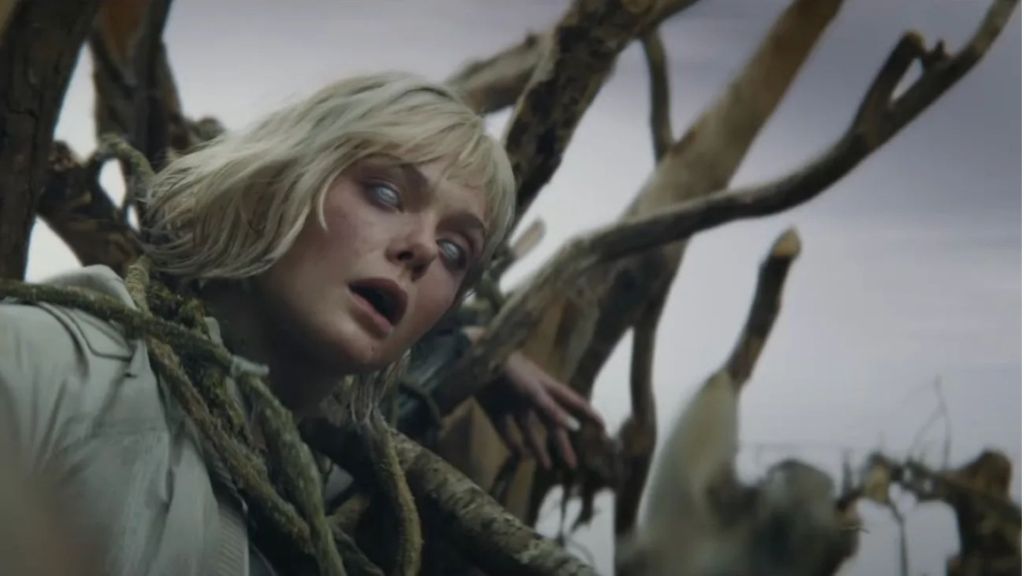
Not only does the film’s concept desaturate the brilliant craft, but the script itself isn’t very strong either. After the film establishes the central storyline, it is extremely clear where the rest of the film is going. The character arcs are obvious, with the film spoon-feeding the audience what they learn to an aggravating degree. Given the set design and creatures’ signature look and feel, it was disappointing to see the script not match them.
Predator: Badlands is probably the most comedic film in the franchise aside from The Predator, and, like that film, it shows that comedy simply doesn’t belong in this series. For a franchise where monsters are ripping each other apart in grotesque ways, hearing characters deliver jokes and one-liners feels extremely out of place. Elle Fanning’s portrayal of Thia is the biggest culprit, delivering MCU-like quips every other sentence to a distracting degree. In a film where a father is willing to murder his family because they aren’t good enough warriors, the fact that the film tries to implement comedy in so many scenes made for a disappointing and messy experience.
To those who enjoy the Predator series for their simple stories and extensive violence, they will likely find enough entertainment value in Predator: Badlands, but those interested in the horror side of the monster will likely be disappointed. Although there are Oscar-worthy crafts, the script is so mediocre that it drags what could’ve been a great film to just an okay one. Trachtenberg was going to miss eventually.
Predator: Badlands is now playing in theaters nationwide.
Rating: 5/10
Oscar Prospects:
Best Visual Effects, Best Makeup/Hairstyling
 Reel Recommendation
Leave a comment